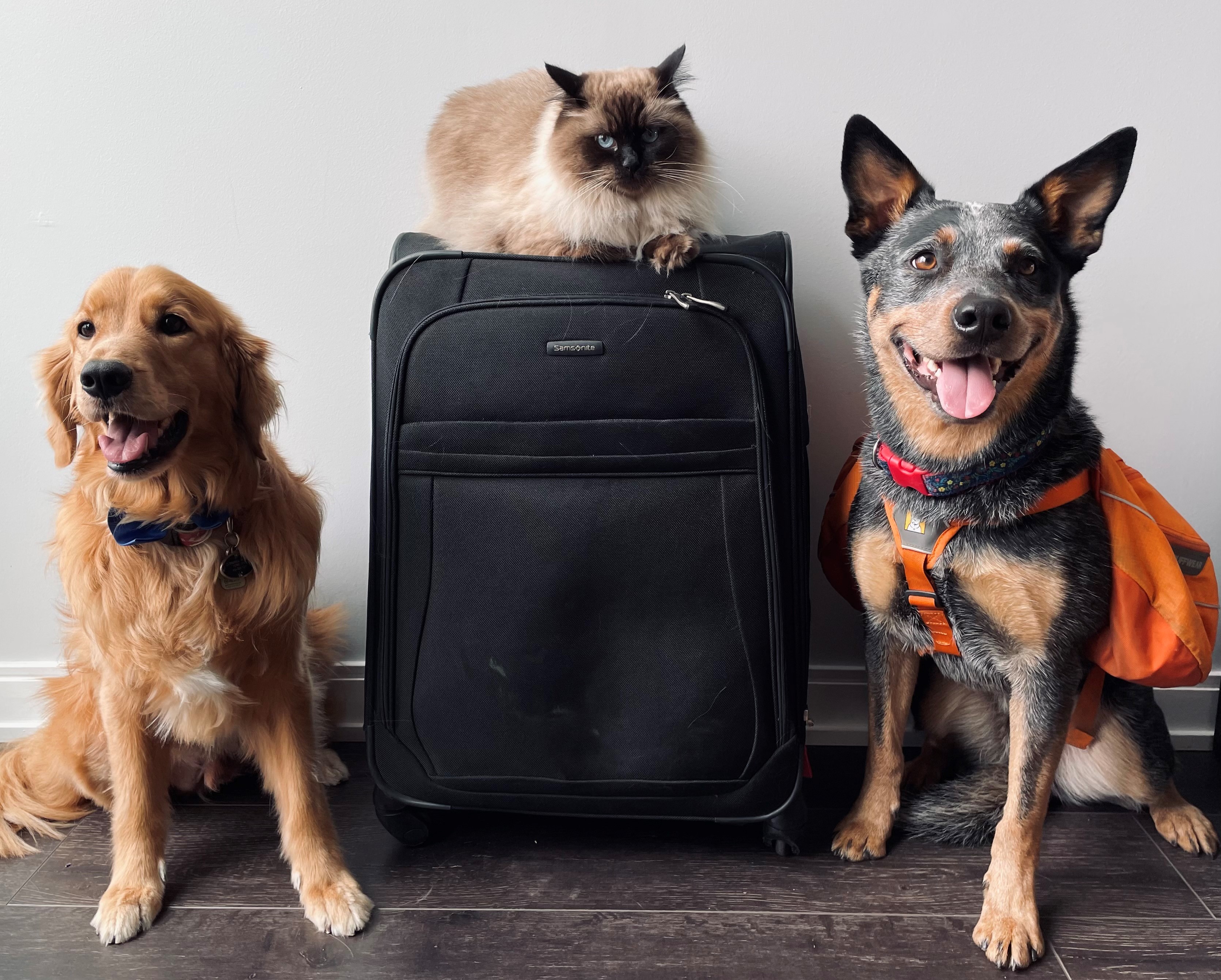

For many pet parents, the most stressful part of pet air travel isn’t just the flight — it’s the fear of something going wrong at the airport.
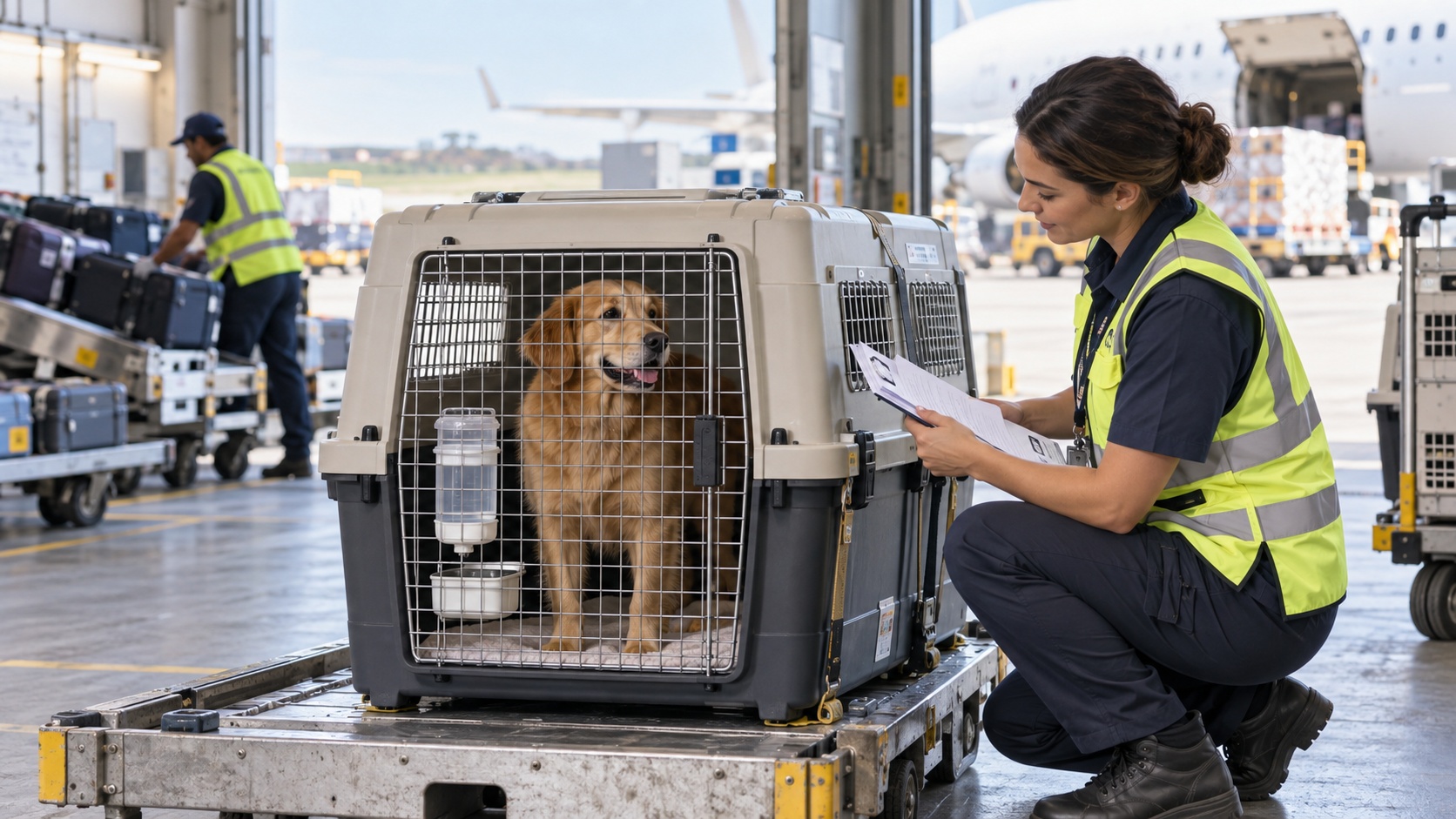
One of the most common and frustrating reasons pets are denied boarding is crate size or kennel non-compliance, especially when flying pets as checked baggage or as manifest cargo. And it often happens despite best intentions.
Understanding why this happens and how to prevent it can save time, money, and unnecessary stress for both you and your pet.
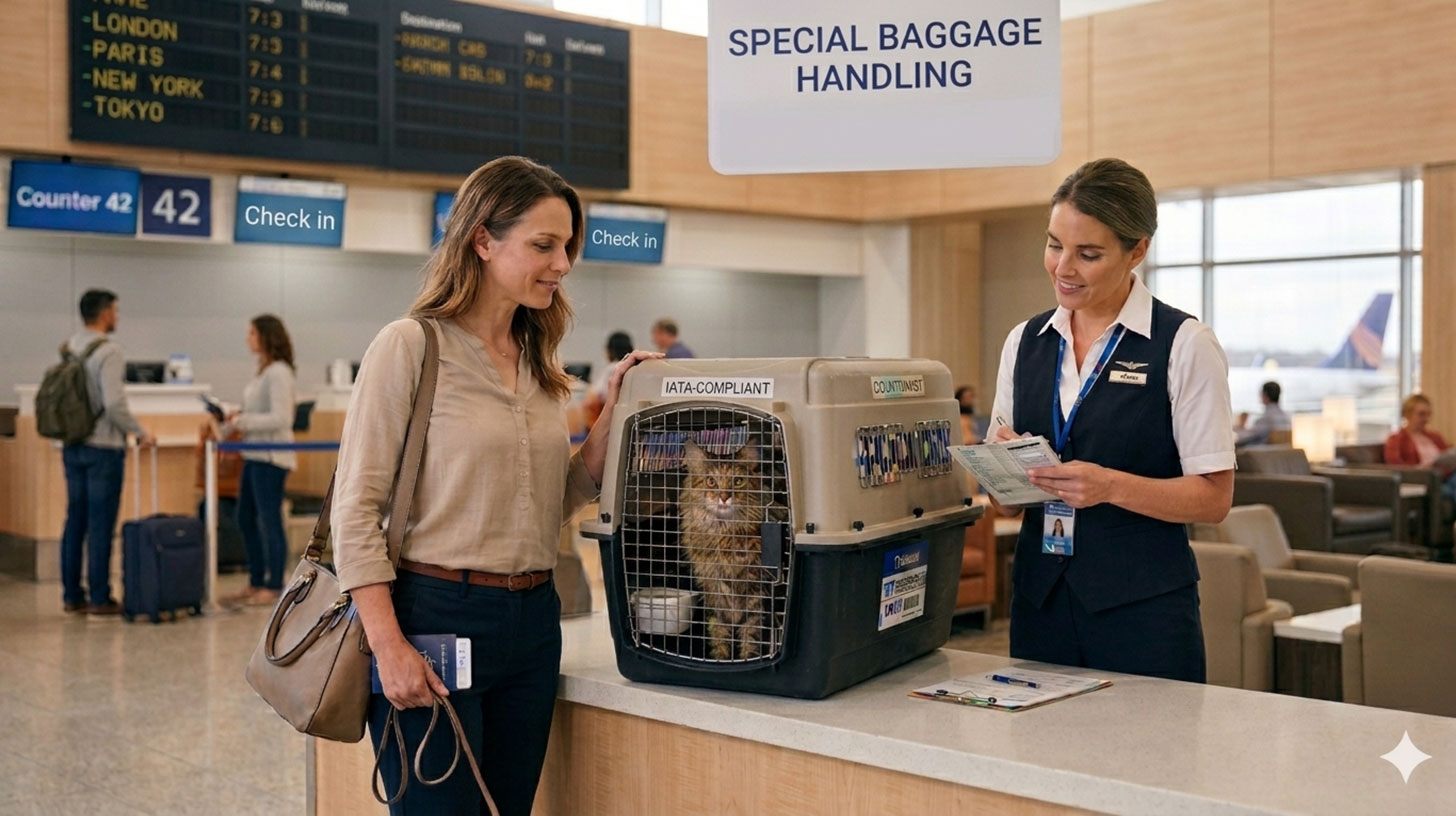
A common misconception is that once a flight is booked, the crate is “approved.” In reality, kennels are assessed at check-in, often visually and physically.
Airline staff look for whether your pet can:
If the kennel appears even slightly undersized, boarding may be denied, regardless of how far you’ve traveled to the airport
In many cases, denied boarding due to crate size can be traced back to inaccurate or incomplete measurements taken early in the planning process. Crate sizing for pet travel is highly specific and based on how your pet sits, stands, turns, and rests inside the kennel. If you’re unsure how to measure correctly, our guide to pet travel crate measurements and choosing the right kennel size walks through what airlines expect and why precision matters..
Many pet parents assume that being slightly under the recommended size won’t matter. Unfortunately, this is where problems arise.
Even small measurement differences can be flagged, especially for:
Crate sizing for air travel is not flexible. It is assessed against clear standards intended to protect pets during flight.
Another common issue is choosing a kennel based on breed recommendations rather than individual measurements.
Two pets of the same breed can vary significantly in:
Airlines assess the pet in front of them, not the breed on paper. This is why professional pet travel services require precise measurements rather than estimates.
In the case of brachycephalic (snub nose) breeds, the kennels must be one size above the guidelines for measuring the pet.
Some crates are marketed as suitable for air travel but may still fail inspection due to:
For air travel, especially international pet travel, kennels must meet the Live Animals Regulations established by the International Air Transport Association and align with airline- and route-specific rules.
When a kennel is rejected at the airport, options are limited. Replacement crates are not always available, and even when they are, proper sizing takes time.
This often leads to:
Most crate-related travel issues can be avoided well before travel day with proper measurements and planning.
The safest way to avoid crate-related delays is to:
Crate selection should be treated as part of the overall travel plan, not a last-minute task.
Not sure if your pet’s travel kennel is the right size? Start with accurate measurements. Our guide to pet travel crate measurements explains how to measure your pet correctly and choose a kennel that aligns with airline requirements, helping reduce the risk of delays or denied boarding.
If you are planning upcoming air travel, Paws En Route can help with airline booking, documentation and compliance requirements, crate guidance, ground transportation, and other travel support services to help make your pet’s journey as smooth as possible.
Ready to travel?
Our IPATA-certified pet travel specialists help manage the details, from airline booking to health certificates and import permits, for a smoother travel experience.
Get a custom quotePaws en route provides trusted support for every step of pet travel, from complex international relocations to domestic travel within Canada.