

International pet travel is often misunderstood. Many people assume it works like human travel. Find a flight, book a crate, and show up at the airport.
In reality, international pet travel and pet relocation involve a highly regulated, welfare-critical process that requires specialist planning, precise timing, and end-to-end oversight. A flight is only one part of the journey. International pet travel is made up of several interconnected stages. Depending on your destination and travel plans, you may need help with airline bookings, country-specific documentation, travel logistics or every aspect of your pet's relocation. Paws en Route offers flexible services to support each stage of the journey.
There is no single global standard for international pet travel. Each country sets its own import requirements, which can include:
These rules change frequently. Even small mistakes can lead to denied boarding, quarantine, or refusal of entry at the destination.
This is why international pet travel planning must always start with the destination’s regulations, not with a flight search.
One of the most common misunderstandings in international pet travel is assuming that if a route works for people, it will also work for pets.
Airlines apply very specific rules when transporting animals. Pets are accepted under separate criteria, with limitations that can vary by route, time of year, and destination.
Certain flights, aircraft, or seasons may not be open to pets or any animals at all. Temperature restrictions, operational limits, or destination regulations can prevent pets from travelling on flights that appear otherwise suitable for passengers.
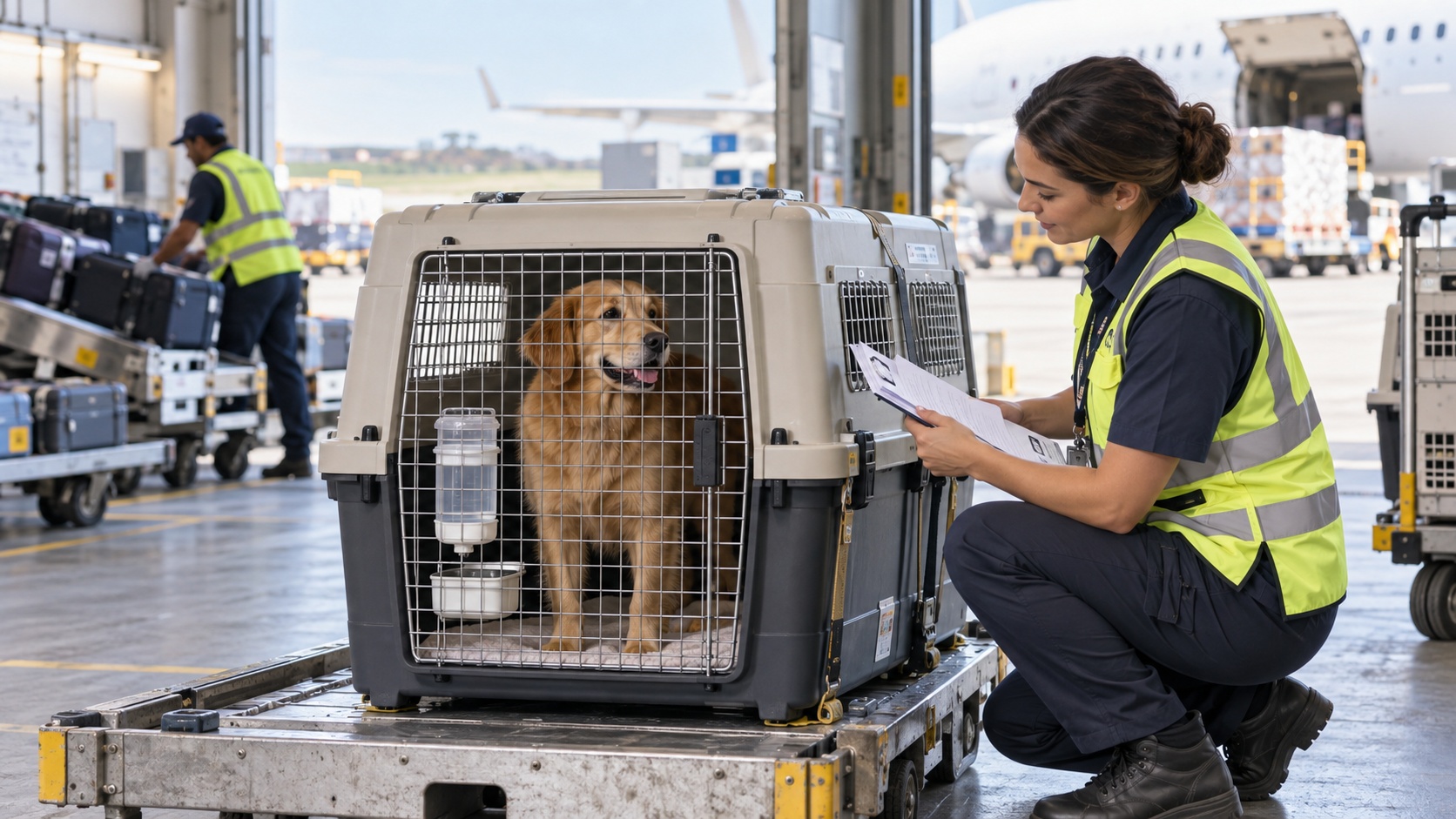
This is why international pet travel requires planning around what is permitted for animals, not what simply appears available when booking a flight. For pets travelling as manifest cargo, many airlines require bookings to be coordinated through an IPATA-certified pet shipper. Learn more about our International Air Travel Booking Services and how we help coordinate international cargo bookings and airline requirements.
International travel can be physically and emotionally demanding for pets, especially on long-haul or multi-leg routes. Welfare cannot be assumed.
Responsible international pet travel considers:
The objective is not simply transport. Itis minimizing stress and protecting the animal throughout the entire journey.
Most international pet travel disruptions occur on the ground.
Common documentation issues include:
Because many documents must be issued within narrow timeframes, errors are often difficult or impossible to correct once travel has begun. Whether you've already arranged your own flights or are working with Paws en route on a complete relocation, our International Pet Travel Documentation Services help coordinate the paperwork, veterinary requirements and destination-specific documentation needed for international travel.
International pet travel sits at the intersection of logistics, regulatory compliance, and animal welfare. It requires experience, structured planning and an understanding of how airline requirements, documentation and travel logistics work together.
At Paws en route, this mindset is reflected through The R.E.S.T. Assured™ Operating Standard, which provides a structured framework for compliant, welfare-focused pet relocation.
International pet travel is not about booking a flight. It is about designing a journey.
Whether you need help preparing documentation, coordinating international air travel or managing your pet's entire relocation, Paws en route provides flexible services designed to help pets travel safely across borders. When done properly, international pet travel becomes a carefully coordinated journey that protects your pet's welfare, reduces uncertainty and helps ensure a smooth arrival at your destination.
Ready to travel?
Our IPATA-certified pet travel specialists help manage the details, from airline booking to health certificates and import permits, for a smoother travel experience.
Get a custom quotePaws en route provides trusted support for every step of pet travel, from complex international relocations to domestic travel within Canada.